As an Amazon Associate, we earn from qualifying purchases. Some links may be affiliate links at no extra cost to you. Although our opinions are based on curated research, we haven't used these products. Articles generated with AI.

When Was Pickleball Invented?

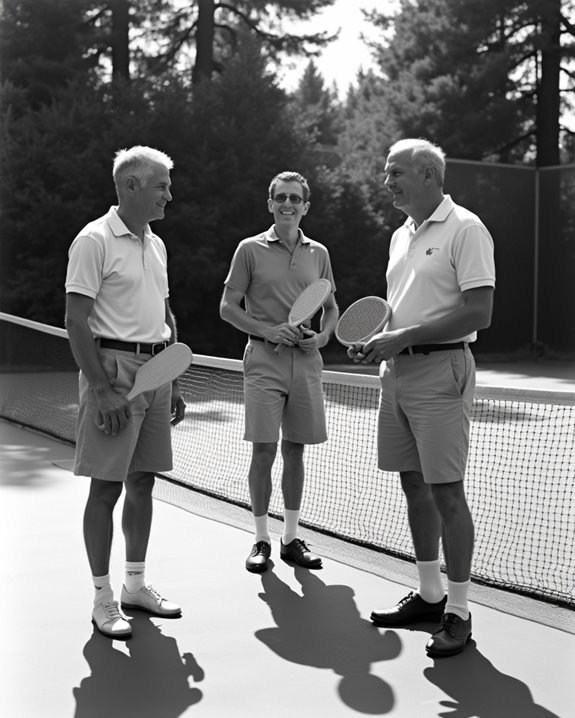
Pickleball was invented in 1965 on Bainbridge Island, Washington, when three dads—Joel Pritchard, Bill Bell, and Barney McCallum—whipped up a new game for their bored children. Using table tennis paddles, a perforated plastic ball, and a lowered badminton net, they created what would become America’s fastest-growing sport. The first permanent court wasn’t built until 1967, while the first official tournament served up competition in 1976. The story behind the quirky name serves up even more fascinating details.
Key Takeaways
- Pickleball was invented in 1965 by three men: Joel Pritchard, Bill Bell, and Barney McCallum.
- The game originated as an improvised activity for bored children using available equipment.
- The first permanent pickleball court was constructed in 1967 in Bob O’Brian’s backyard.
- The inaugural pickleball tournament was held in 1976 in Tukwila, Washington.
- The United States Amateur Pickleball Association was formed in 1984, standardizing rules for the growing sport.
The 1965 Bainbridge Island Origins
You may be interested
10 Best Pickleball Balls Franklin
April 1, 2025
10 Best Pickleball Balls Outdoor
April 1, 2025
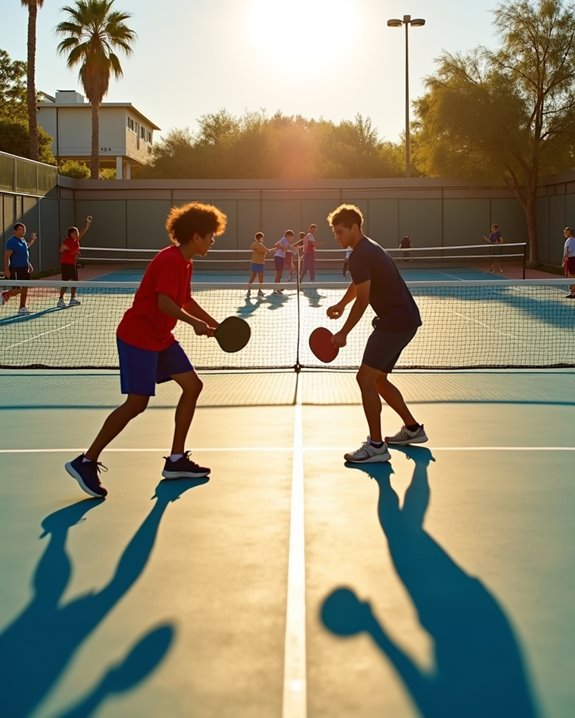
Three creative friends on a summer day in 1965 unknowingly served up what would become one of America’s fastest-growing sports. Joel Pritchard, Bill Bell, and Barney McCallum whipped up the perfect recipe for family entertainment on Bainbridge Island, Washington, when they found themselves with bored children and limited equipment.
Like master chefs improvising a new dish, they blended elements from existing games—using table tennis paddles, a perforated plastic ball, and a badminton net lowered to 60 inches. The game simmered in popularity until 1967 when the first permanent pickleball court was constructed in Bob O’Brian’s backyard, giving the sport a proper home to flourish.
You can trace the game’s formal recognition to 1976 when enthusiasts gathered for the inaugural tournament in Tukwila, Washington.
The Naming Controversy: Pickle Boats vs. Pickles the Dog
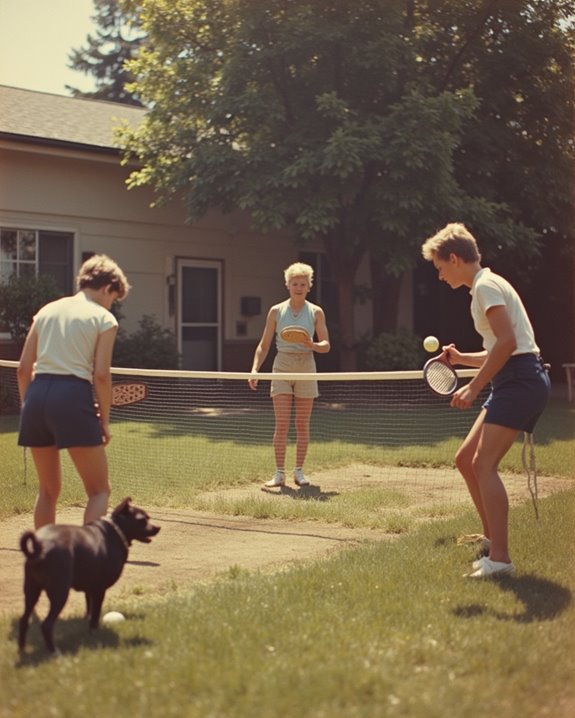
Why has the name “pickleball” sparked such a delicious debate among enthusiasts? The naming controversy boils down to two competing recipes for the truth. Joan Pritchard claimed she stirred up the name from “pickle boats” in crew racing, where leftover oarsmen were assembled into teams—much like the game’s hodgepodge of tennis, badminton, and ping-pong elements.
You’ve likely heard the alternative tale: that Pickles the dog, who chased stray balls, inspired the moniker. This version simmered to popularity after a 1970s interview, despite Joan’s insistence otherwise. Joel Pritchard later admitted this dog story was a fabrication that had been baked into the game’s lore.
Both stories have folded into pickleball‘s rich history, and you’ll find the origin debate continues to marinate without resolution. For the full breakdown of both competing theories, see our deep dive on why they call it pickleball.
Early Equipment and Court Development
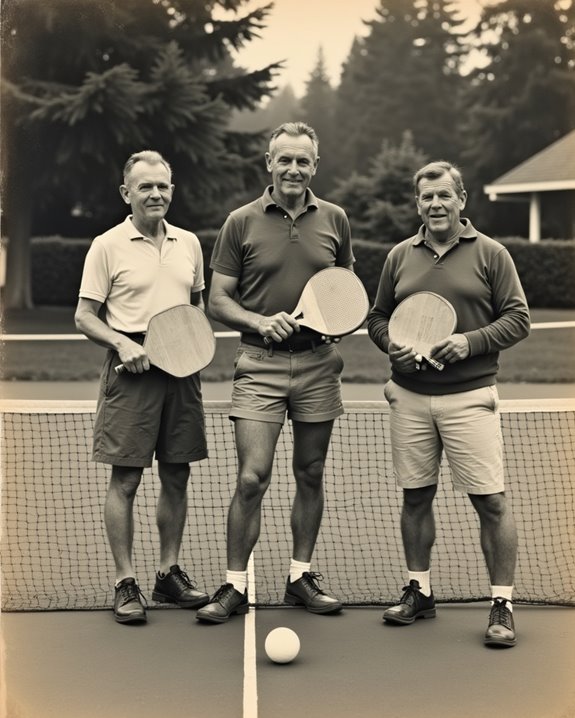
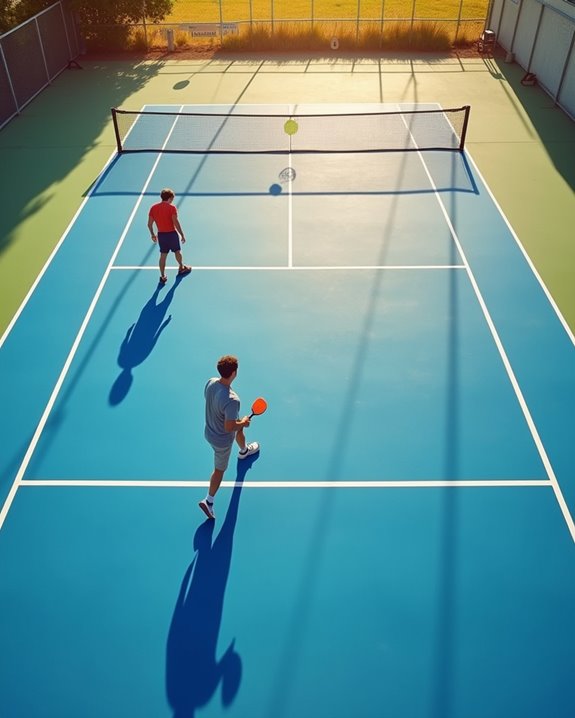
While pickleball’s name might stir up controversy, its humble beginnings in 1965 were a true recipe for innovation. The sport’s original ingredients couldn’t be simpler: table tennis paddles, a Wiffle ball, and a badminton court on Bainbridge Island, WA.
You’ll appreciate how quickly the sport’s equipment evolved. The first permanent court appeared in 1967 in Bob O’Brian’s backyard—a significant step in pickleball’s development. Early gameplay featured a badminton net at 60 inches that was later simmered down to 36 inches for better play dynamics. Those first wooden paddles (particularly the popular M2) laid the groundwork for today’s composite paddles you might use.
Recommended Products

Premium Sublimation Coating:The pickleball paddles are ready for sublimation both sides by heat press machine the print color come out bright not foggy.

Premium Pickleball Set: AOPOUL pickleball paddle set includes 4 premium paddles, 4 cooling towels, 4 high-performing pickleball, and a carrying bag. With AOPOUL pickleball set, you can promote family friends interaction and have a great time.

PREMIUM STARTER SET: Best value available to get started with Pickleball; Set includes 4 pickleball paddles, 4 regulation pickleballs, and 1 backpack tote bag
From Backyard Game to National Sport (1970s-1990s)
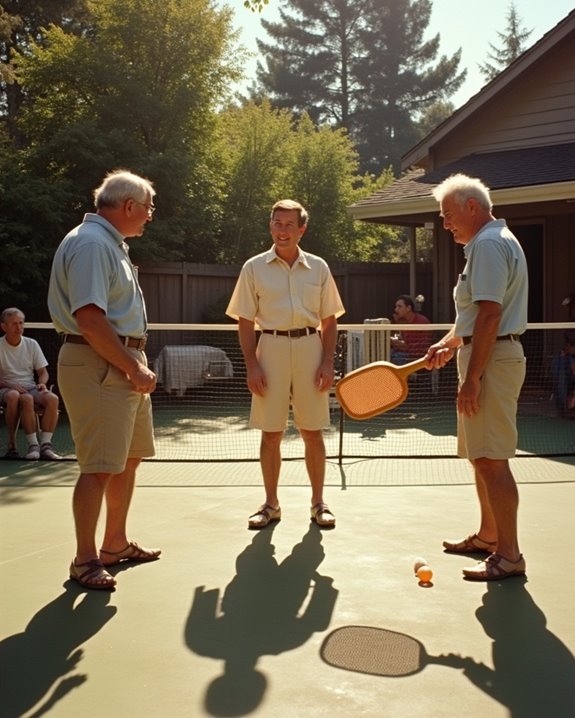
As the 1970s rolled in, pickleball began to simmer beyond the confines of neighborhood backyards and into the mainstream sporting arena. The sport’s first official tournament was served up in 1976 at South Center Athletic Club in Tukwila, Washington—a pivotal moment that whisked pickleball into competitive territory.
The United States Amateur Pickleball Association’s formation in 1984 added essential ingredients to the mix by publishing a thorough rulebook that standardized how you’d play across the country. This recipe for growth proved successful as pickleball’s popularity bubbled over into all 50 states by 1990.
The 1984 National Doubles Championships in Tacoma further folded competitive elements into the sport, while Pickle Ball, Inc. guaranteed players could easily access quality equipment to fuel this national phenomenon.
Recommended Products

STARTER SET: This pickleball paddle and ball set is the perfect starter set for any beginner to get all the quality playing equipment they need to learn the sport of Pickleball
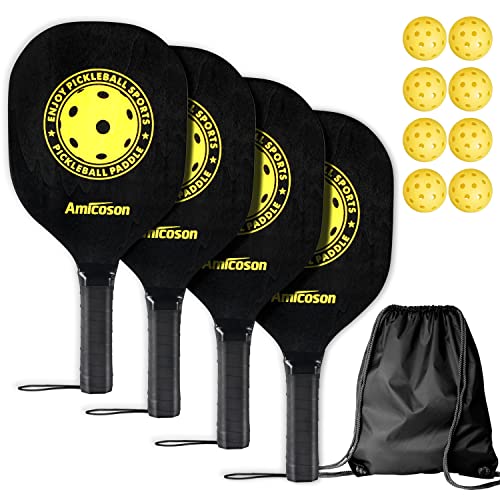
【PICKLEBALL PADDLE SET】The Amicoson pickleball paddle set with 4 durable paddles, 8 high-performing pickleballs, 1 carrying bag for convenient carry and storage, 1 premium box which is perfect for storage.

FAMILY-OWNED: At Selkirk, we are committed to fueling the pickleball obsession found within every player. Through uncompromising quality and a never-satisfied drive for innovation, we serve players around the world from beginners to pros.
The Formation of Governing Bodies and Official Rules
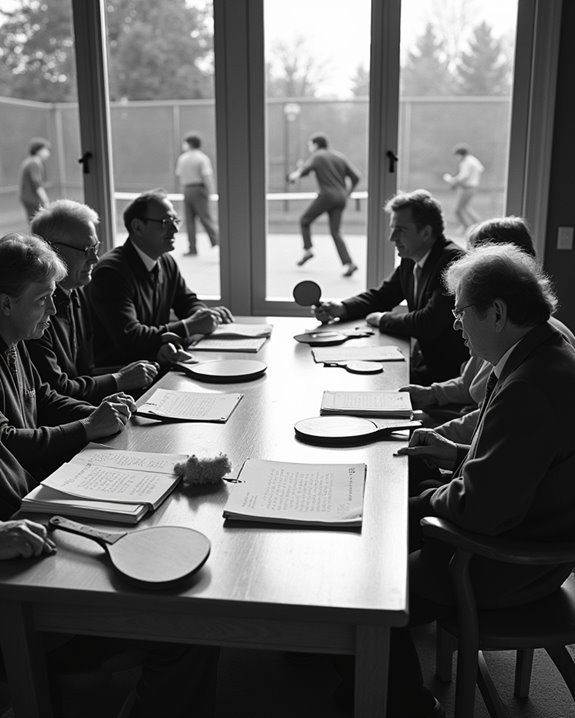
Once pickleball had simmered in popularity across American backyards, it needed a proper recipe for standardization to truly rise. In 1972, the sport’s creators wisely trademarked the name “Pickle-ball,” preserving its unique flavor in the sporting world.
The first formal tournament in 1976 at Tukwila, Washington, served as the appetizer for competitive play, but the main course arrived in 1984 when the United States Amateur Pickleball Association was established to promote pickleball nationally. That same year, they published their first rulebook—essentially the master recipe for consistent play.
You’ll appreciate how these governing bodies folded structure into the sport’s rapid growth, ensuring that by 1990, you could hear the distinctive “pop” of pickleball paddles in all 50 states. In 2020, the USA Pickleball Association rebranded, further refining the sport’s presentation.
Major Milestones in Pickleball Tournament History
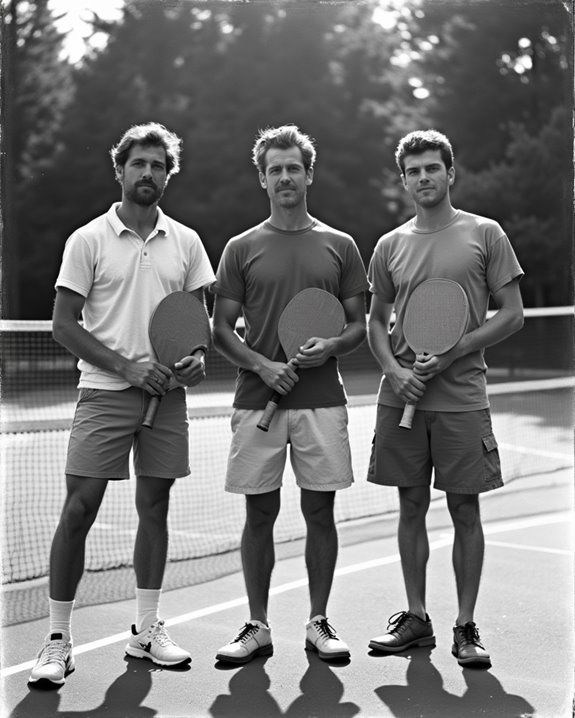
Serious tournament play simmered into existence in 1976 when the South Center Athletic Club in Tukwila, Washington, hosted the first formal pickleball competition—a watershed moment that transformed backyard recreation into legitimate sport.
You’ll find that competitive play really began to heat up when the U.S.A.P.A. organized the inaugural National Doubles Championships in Tacoma (1984). The flavor of pickleball tournaments evolved further in 2009 when nearly 400 players served up excitement at the National Championships in Buckeye, Arizona.
Recommended Products

MULTI-LAYER T700SC CARBON FIBER FACE: TENVINA pickleball paddles are crafted from the lightweight and high-strength material, multi-layer T700SC carbon fiber, which utilizes cutting-edge Dry Jet-Wet Spinning technology. Delivering greater power and easy to control, this pickleball paddle brings you an unprecedented gaming experience.
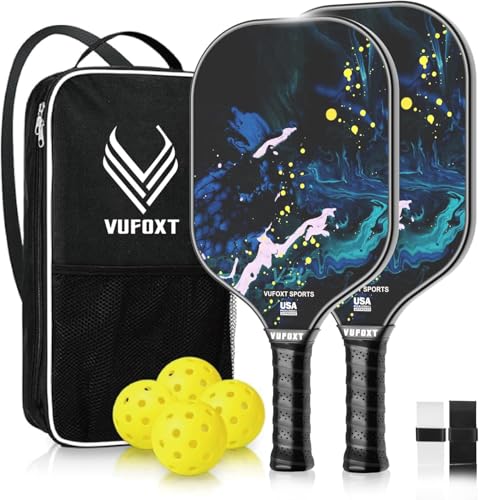
【USAPA Standard for Victory】Graphite pickleball paddles meet all USAPA testing requirements and are approved by events for tournament play;Offering a perfect combination of power and control;The quality construction combined with the teardrop shape adds extra crispness to your shots so you can improve your game and squash your opponent;VUFOXT honored to contribute our support to your road to championship.

4 LAYERS CARBON FIBER COMPOSITE SURFACE:HERCULES PRO pickleball paddles surface is constructed from hot-pressed T700SC carbon fiber. And the unique T700SC Matte-textured Carbon Surface brings the high friction coefficient for precise hits. A professional pickleball paddle, a sparkling court winner.
Pickleball’s Explosive Growth in the 21st Century
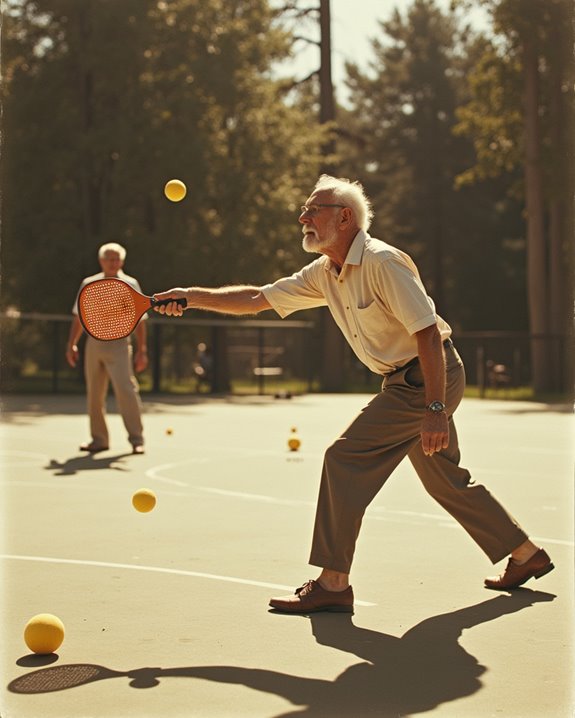
While tournament play simmered in pickleball’s early decades, the 21st century has seen the sport boil over into a full-fledged cultural phenomenon. The Sports and Fitness Industry Association has consistently ranked pickleball as America’s fastest growing sport since 2021, with player participation expected to rise to a whopping 19.8 million by 2026—that’s a 311% increase in just three years!
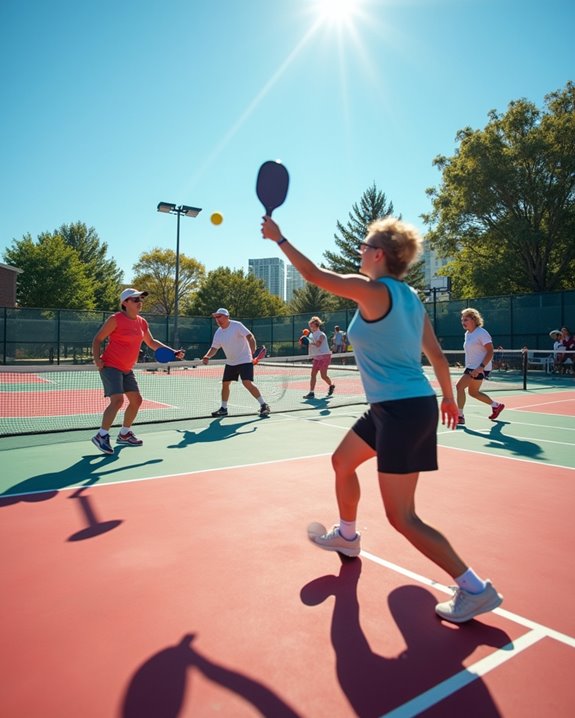
You’ve probably noticed pickleball courts popping up everywhere from community centers to schools. With nearly 11,000 places to play nationwide and USA Pickleball membership reaching 70,000 in 2023, the sport is no longer just a niche activity. Much of this crossover comes from tennis players curious about how pickleball compares to tennis and switching paddles for racquets. The establishment of professional tours in 2019 and the record-breaking 2021 National Championships with over 2,300 players have transformed this once-simple game into a sizzling sports sensation.
Recommended Products

USAPA Approve Pickleball Paddles: The pickleball paddles of 2 are USA pickleball approved & with USAPA approval lable ith high safety and professionalism, and can be used in tournaments

【USAPA Approved】GARYE WL-01 pickleball paddles set of 4 are tested and approved by the USAPA for tournament play and international pickleball events. Each pickle ball paddle in the GARYE WL-01 series is manufactured strictly according to USAPA standards, and carries a USAPA approval label. You can find further details on the USA Pickleball website.
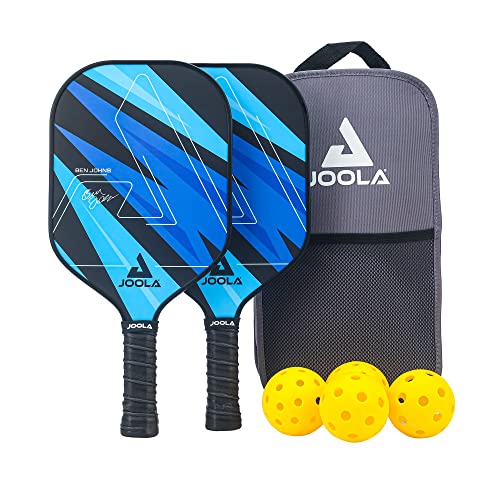
OFFICIAL PADDLE SPONSOR OF WORLD #1 PICKLEBALL PLAYER BEN JOHNS & THE PPA TOUR: An innovator & global leader in table tennis for 70+ years, JOOLA teams up with Ben Johns to create a new line of pickleball equipment that will forever change the game
Frequently Asked Questions
When Did Pickleball Become a Sport?
Pickleball’s sport evolution began as a family game in 1965, but it’s officially recognized as a sport in 1976 when the first formal tournament was held, establishing competitive levels in pickleball history.
When Did Pickleball Gain Popularity?
Pickleball’s growth exploded in the 1970s, then again in the 2020s. You’ll notice its cultural impact spans all age demographics. Media coverage, professional leagues, and community events have fueled its recreational play popularity and equipment evolution.
Where Did Pickleball Get Its Name From?
Like your TikTok feed, pickleball’s name origin has two competing theories: Joan Pritchard claimed it’s from “pickle boats” in crew, while others believe it’s named after their dog Pickles. You’ll find both in pickleball history timelines.
Why Is Pickleball Replacing Tennis?
You’ll notice pickleball’s growth over tennis due to its smaller court dimensions, simpler equipment, and accessibility factors appealing to diverse player demographics. The social aspects and community events create a more inclusive, strategic fitness activity.