As an Amazon Associate, we earn from qualifying purchases. Some links may be affiliate links at no extra cost to you. Although our opinions are based on curated research, we haven't used these products. Articles generated with AI.

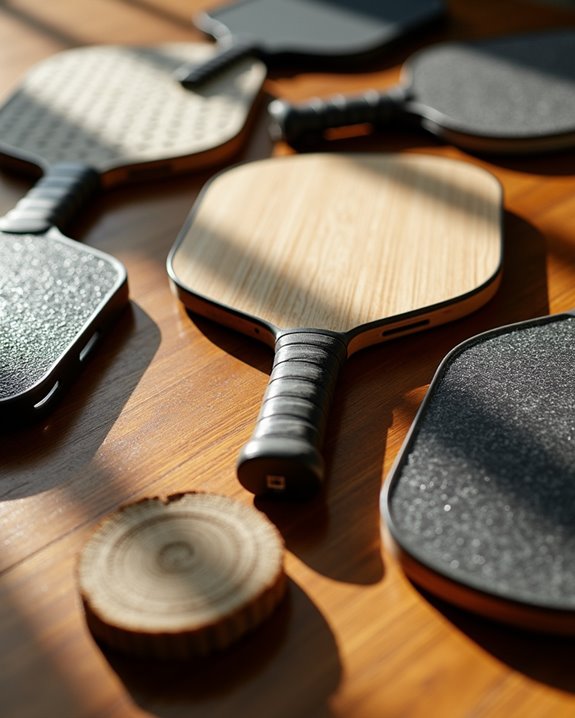
What Are Pickleball Paddles Made Of?

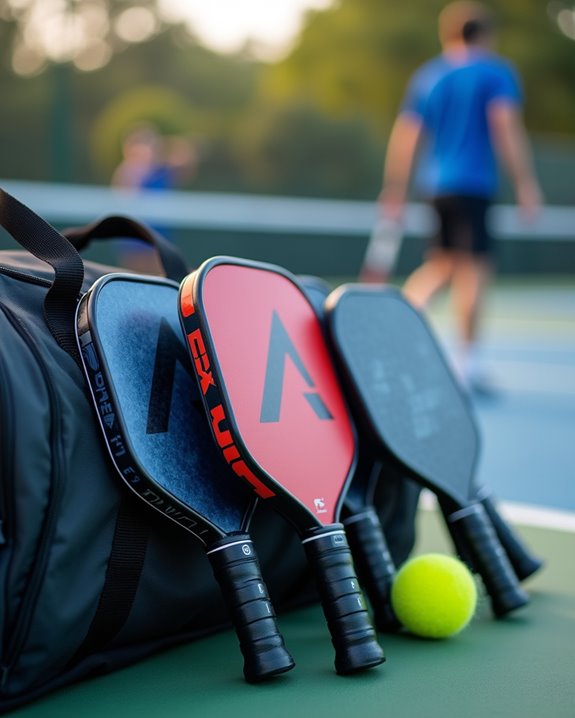
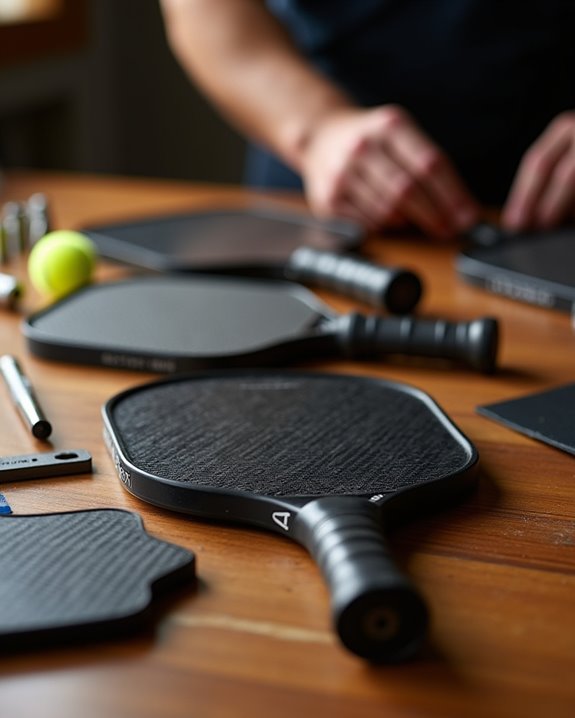
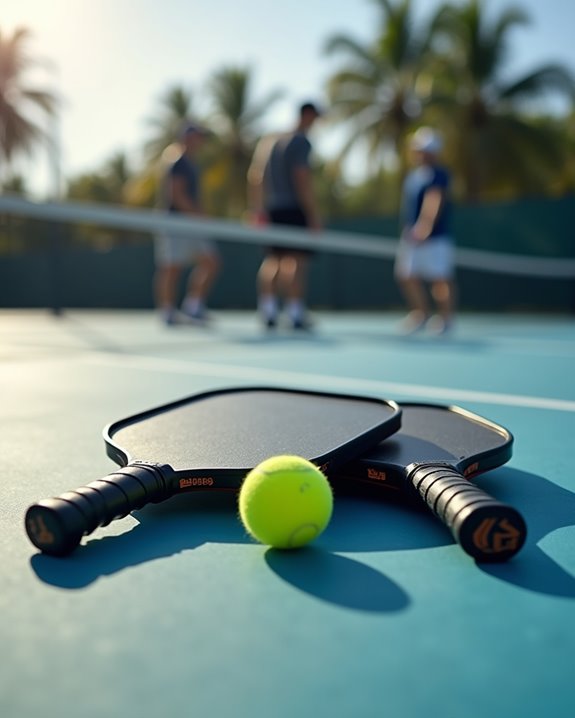
Pickleball paddles feature three main components: cores (polymer, Nomex, or aluminum), face materials (graphite, carbon fiber, or composite), and edge guards. The core makes up 75% of performance characteristics, while the face material contributes the remaining 25%. You’ll find polymer cores offer a soft feel with noise reduction, while carbon fiber faces deliver explosive power for aggressive shots. Each material combination creates a unique “recipe” for your playing style. Discover which ingredients create your perfect paddle below.
Key Takeaways
- Pickleball paddles commonly feature polymer, Nomex, or aluminum cores which make up 75% of the paddle’s performance characteristics.
- Face materials include graphite for precision, carbon fiber for power, and composite (fiberglass) for balanced performance.
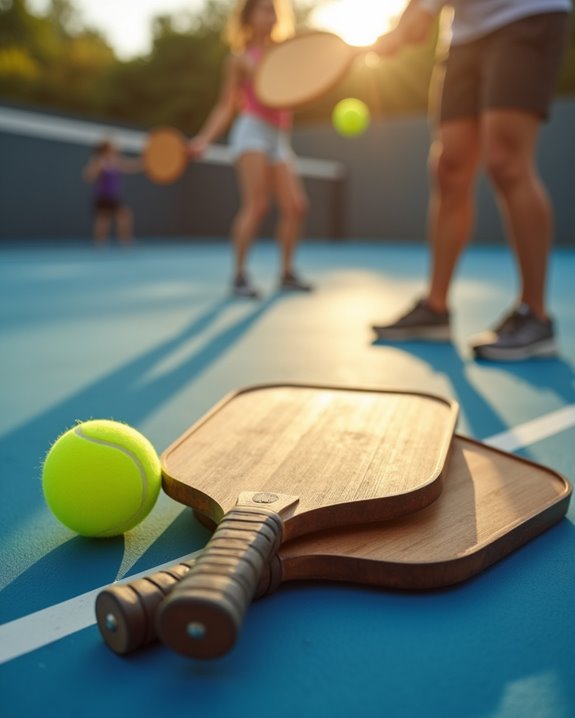
- Wood paddles exist but modern paddles typically use lightweight, durable materials like carbon fiber and graphite for improved play.
- Specialty materials like Kevlar offer unique texture and vibration reduction for comfortable extended play.
- Hybrid paddles combine multiple materials to create versatile performance options tailored to different playing styles.
Second-level Headings for “What Are Pickleball Paddles Made Of?”
You may be interested
10 Best Pickleball Bag for Balls
May 3, 2025
10 Best Pickleball Net 22FT
May 3, 2025
The foundation of any pickleball paddle lies in its core, which makes up about 75% of your paddle’s performance characteristics. When you’re shopping for paddles, you’ll encounter various materials used in pickleball construction that blend like ingredients in a perfect recipe. The paddle faces—typically made from fiberglass, carbon fiber paddles, or composite materials—contribute the remaining 25% to your playing experience. You’ll find that carbon fiber offers a lightweight nature while remaining durable and resistant to damage. The different materials create a unique flavor profile of power and control that suits various playing styles. Just as chefs select specific knives for particular tasks, you’ll want to choose a paddle that complements your technique on the court. Choosing a paddle with T700 carbon fiber can enhance your performance due to its strength and lightweight properties.
The Evolution of Pickleball Paddle Materials
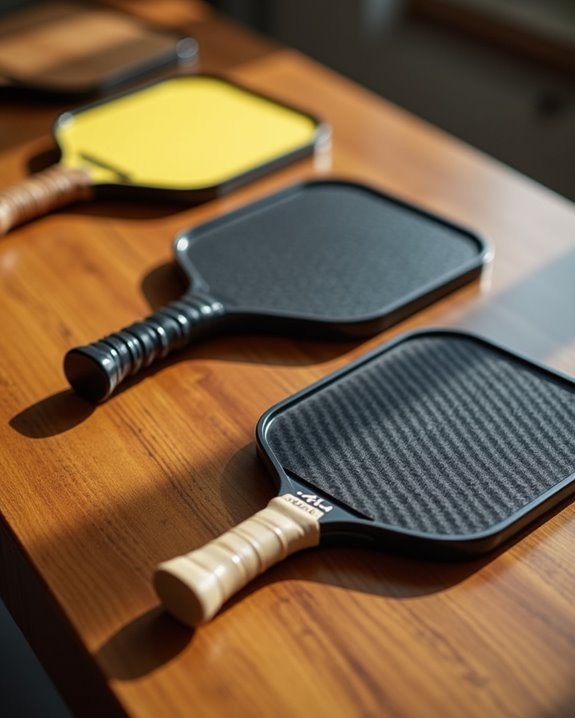
Since the sport’s humble beginnings in the 1960s, pickleball paddle materials have undergone a remarkable transformation—much like how cooking utensils evolved from basic wooden spoons to sophisticated gadgets.
You’ll find that today’s paddles have been simmered to perfection with advanced materials borrowed from aerospace industries. The wooden paddles of yesteryear have been folded into a rich mixture of fiberglass, graphite, and carbon fiber options that serve up incredible power and control. Among these modern materials, all-Kevlar paddles stand out for their exceptional durability and performance on the court. Curious whether the classics still hold up? See whether wooden pickleball paddles are still good for today’s players.
Core Materials: Polymer, Nomex, and Aluminum Explained
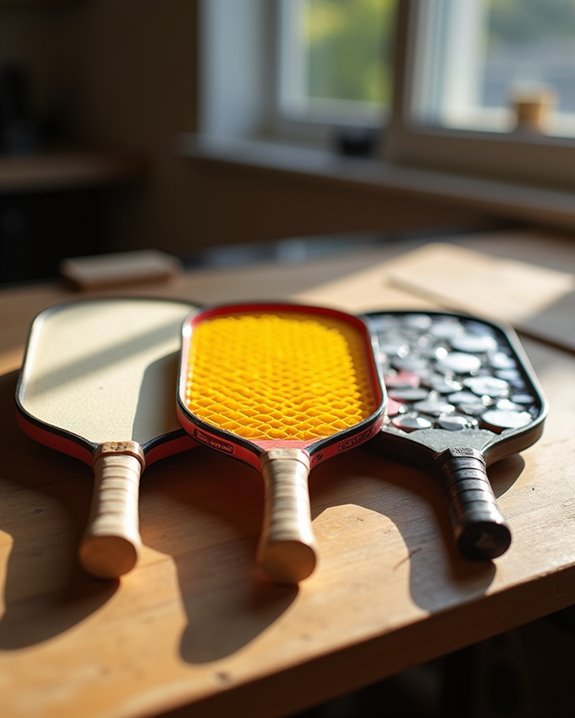
When you’re selecting your pickleball paddle, understanding the core material is like knowing the base ingredients in your favorite recipe—it fundamentally affects the final result.
The polymer core, the most popular option, offers a soft, flexible feel with large honeycomb structure cells that simmer down noise while folding in exceptional control. If you’re craving more power, a Nomex core delivers with its durable, resin-dipped composition—though it’ll serve up a louder playing experience. The aluminum core provides a lighter, budget-friendly alternative that reduces vibration like a gentle fold into whipped cream.
Your performance impact hinges on these core materials, with each offering different blends of power and control. Consider durability considerations too—polymer and Nomex cores typically provide heartier longevity than their aluminum counterparts. Additionally, paddles like the Amped Series utilize advanced core technology for enhanced performance and player comfort.
Recommended Products

Superior Control and Power: Experience the perfect blend of power and control with our carbon fiber pickleball paddle. Designed for players of all levels, this paddle offers...
Face Materials: Composite, Graphite, and Carbon Fiber
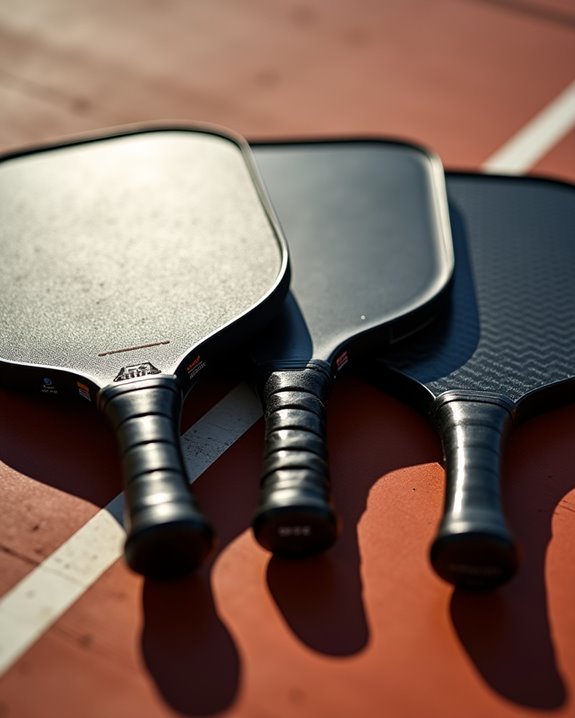
Just as a chef’s choice of pan affects how food cooks, your paddle’s face material dramatically influences your pickleball performance.
Composite paddles blend fiberglass with other materials, creating a durable surface that simmers with power while still allowing you to fold in some spin. Graphite paddles, like a delicate crepe pan, offer a lightweight, responsive feel that helps you precisely place shots where opponents least expect them. For those craving maximum power, carbon fiber paddles deliver strength that’s stronger than steel while remaining surprisingly lightweight—think cast iron performance with aluminum weight.
Your playing style should season your decision. Do you need the balanced versatility of composite, the controlled precision of graphite, or the powerful punch of carbon fiber? Each comes with pros and cons affecting durability, weight, and shot execution.
Recommended Products

MULTI-LAYER T700SC CARBON FIBER FACE: TENVINA pickleball paddles are crafted from the lightweight and high-strength material, multi-layer T700SC carbon fiber, which utilizes cutting-edge Dry Jet-Wet Spinning technology. Delivering greater power and easy to control, this pickleball paddle brings you an unprecedented gaming experience.
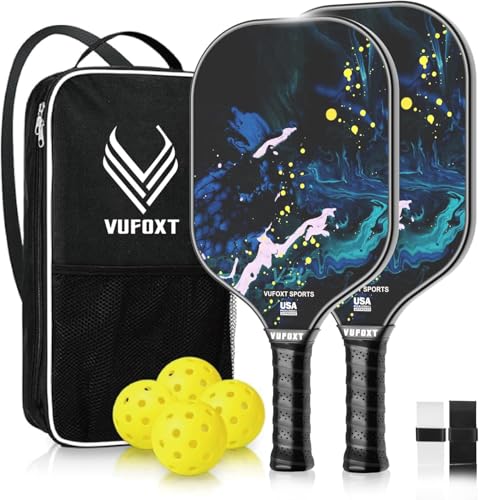
【USAPA Standard for Victory】Graphite pickleball paddles meet all USAPA testing requirements and are approved by events for tournament play;Offering a perfect combination of power and control;The quality construction combined with the teardrop shape adds extra crispness to your shots so you can improve your game and squash your opponent;VUFOXT honored to contribute our support to your road to championship.

#1 BRAND IN PICKLEBALL: At Selkirk, we are committed to fueling the pickleball obsession found within every player. Through uncompromising quality and a drive for innovation, we're trusted by more players around the world than any other pickleball brand.
Specialty Materials: Kevlar and Hybrid Constructions
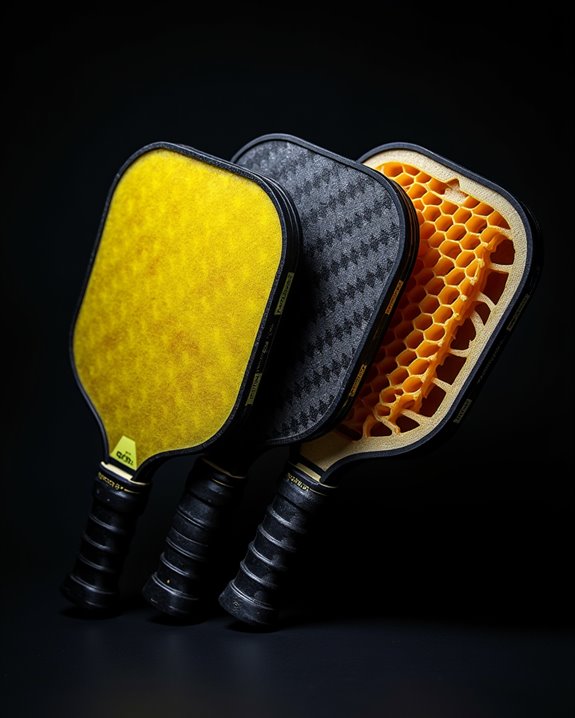
Beyond the mainstream paddle options, specialty materials like Kevlar and hybrid constructions have simmered their way into the pickleball market, offering players a gourmet selection of performance characteristics.
Kevlar pickleball paddles deliver a responsive feel with a gritty surface texture—like a perfectly seared steak with a crisp exterior. You’ll appreciate how they reduce vibration on impact, making those marathon sessions more comfortable for your hands.
Kevlar’s gritty texture serves up control with every hit, while its vibration-dampening properties keep your hands fresh through extended rallies.
If you’re seeking a custom-blended experience, hybrid pickleball paddles fold together multiple ingredients—carbon fiber, composite, fiberglass, and graphite—creating versatile performance that suits all-around players. This thoughtful combination allows you to order exactly what you need: more power, enhanced spin, delicate touch, or precise control.
These specialty materials are quickly becoming the chef’s choice for players hungry for innovation.
Recommended Products
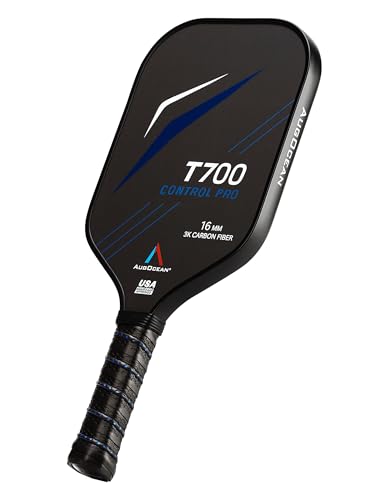
Significantly boosting spin,control the game.AugOcean carbon fiber pickleball paddle features advanced carbon fiber surface technology.The pickle ball paddle surface is composed of carbon abrasion surface which increases friction,significantly boosting spin and control for sharper and offers an excellent playing experience for sidespin,backspin,and topspin
How Paddle Materials Affect Performance and Play Style
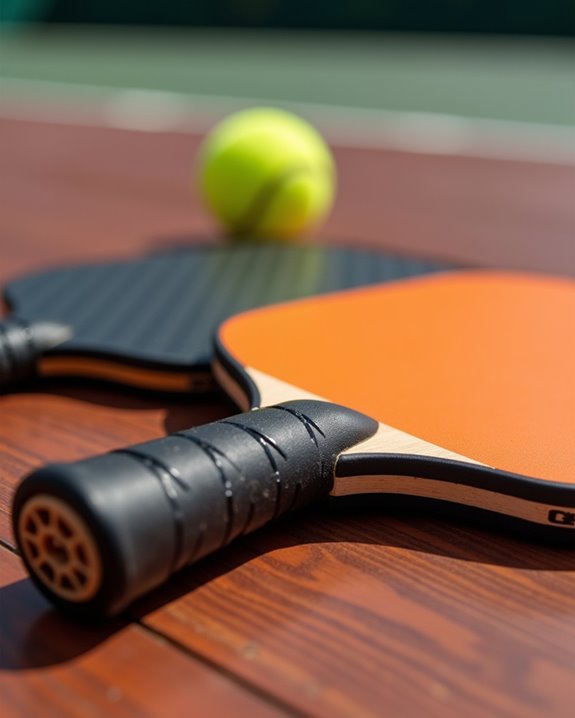
Every ingredient in your pickleball paddle’s recipe directly shapes how it performs on the court. The face material serves as your main flavor profile—carbon fiber pickleball paddles deliver explosive power and lightweight handling, perfect when you’re hungry for aggressive shots that sizzle across the net.
Graphite paddles offer a stiffer texture with precision that helps you plate your shots exactly where you want them. For a more balanced dish, composite paddles blend control and power, making them versatile for various playing styles.
Don’t forget the core material—the foundation of your paddle’s performance. Polymer cores provide a forgiving, quieter experience, while Nomex cores bring extra heat to your game. Your playing style should determine which paddle materials you select, just as a chef chooses ingredients based on the desired final dish.
Recommended Products
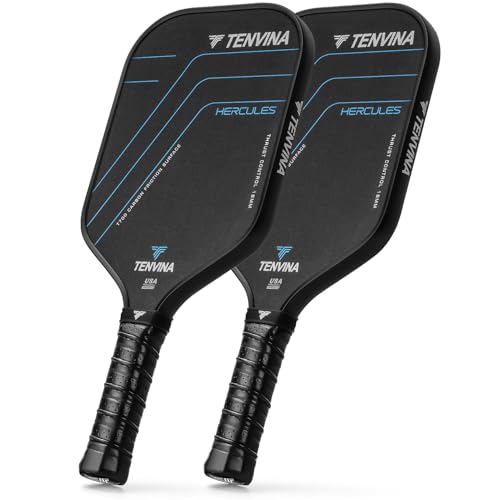
MULTI-LAYER T700SC CARBON FIBER FACE: TENVINA pickleball paddles are crafted from the lightweight and high-strength material, multi-layer T700SC carbon fiber, which utilizes cutting-edge Dry Jet-Wet Spinning technology. Delivering greater power and easy to control, this pickleball paddle brings you an unprecedented gaming experience.

USAPA APPROVED COMPLETE PICKLEBALL SET: This set of 2 graphite paddles is USAPA approved and built for all skill levels. Designed with cushioned, non-slip grips for comfort and endurance, these pickleball rackets deliver reliable power, control, and balance

【Complete Pickleball Set for 4 Players – Everything You Need to Start Playing】Includes 4 lightweight graphite paddles, 2 indoor pickleballs, 2 outdoor pickleballs, 4 replacement overgrips, and a convenient carrying bag. Everything you need for family games, friendly matches, and everyday practice—ready to play right out of the box.
Weight Distribution and Material Impact on Paddle Balance
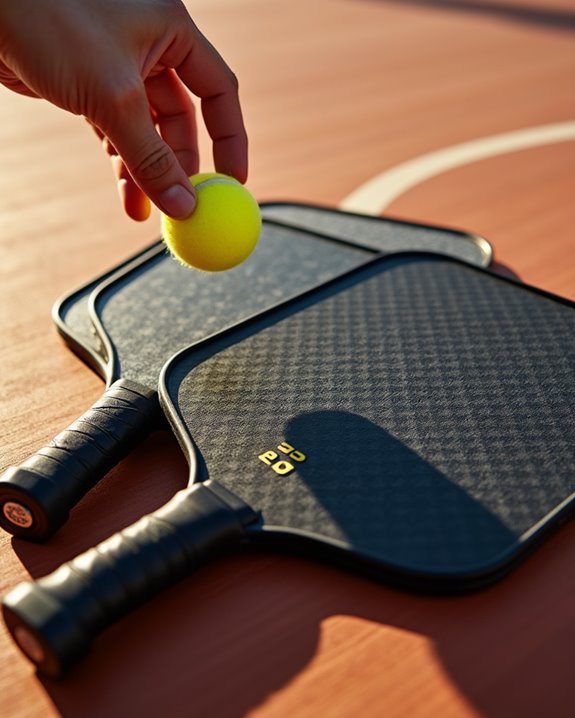
While your paddle’s weight in ounces matters, how that weight is distributed throughout the paddle can completely transform your game. The core material serves as the “secret ingredient” in your paddle’s recipe for balance—polymer cores typically offer a more evenly distributed weight like a perfectly balanced soufflé, while aluminum paddles may shift the center of gravity, creating a different feel when served up on the court.
Your paddle’s swing weight might differ from its actual weight, affecting how it handles during quick volleys. Heavier paddles with lower balance points provide stability like a well-set custard, while lightweight feel options make maneuvering easier. Don’t forget that customization options in paddle shape and handle design let you fine-tune your equipment’s balance to perfectly complement your playing style.
Recommended Products

Cool Stylish Designs: Showcase your personal style on the court with Rally Club's top rated pickleball paddles. A great option for a mens or womens pickleball paddle for all skill levels.
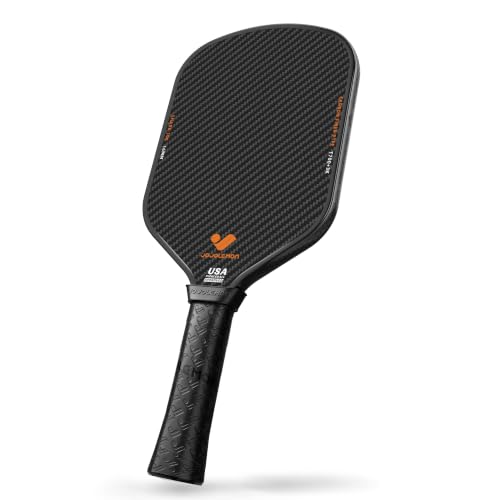
OPTIMIZED PERFORMANCE DESIGN: JOJOLEMON pickleball paddles are expertly crafted to provide top-tier performance and comfort. Built with carbon fiber, this paddle delivers an exceptional playing experience for players of all skill levels.

INNOVATIVE HYBRID ARAMID SURFACE: The SHARK 002 pickleball paddle combines Kevlar 1670 and T700 Carbon Fiber materials, providing outstanding spin for roll volleys and pinpoint control for finesse shots like dinking.
Durability Factors of Different Paddle Materials
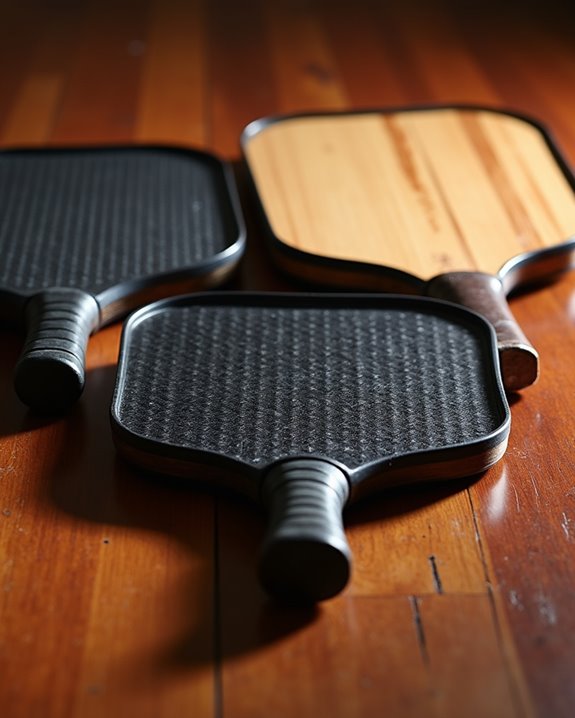
If you’re investing in a pickleball paddle, understanding material durability is like knowing which cookware can withstand daily use versus occasional entertaining. Carbon fiber paddles serve as the cast-iron skillet of pickleball—virtually indestructible and perfect for power players who slice through shots with intensity.
Graphite offers a lighter soufflé-like experience with excellent control, but you’ll sacrifice some durability compared to carbon’s robust construction. Composite paddles blend ingredients like fiberglass for a balanced recipe of power and control, though they may show wear like a well-used baking sheet.
Fiberglass paddles remain reliable workhorses in your pickleball kitchen—durable but slightly heavier than alternatives. Meanwhile, wooden paddles, like disposable bakeware, won’t withstand frequent play and tend to warp over time. This premium materials arms race is also a major reason pickleball paddles have gotten so expensive over the years.
Frequently Asked Questions
What Are Official Pickleball Paddles Made Of?
Did you know 85% of pro players prefer composite paddles? Your official pickleball paddle’s core composition differences typically feature honeycomb polymer, Nomex, or aluminum cores with graphite, fiberglass, or carbon fiber surfaces for peak performance.
Which Material Is Better for Pickleball Paddles?
For your paddle performance comparison, carbon fiber is best for advanced players seeking power with weight considerations in mind. However, your grip preferences, skill level, and budget will determine which material truly suits your game.
Is Carbon Fiber or Graphite Better for Pickleball?
Wondering which to choose? It depends on your style. Carbon fiber benefits include power and durability, while graphite advantages offer control. Consider paddle weight comparison, surface texture effects, and your preference for power vs control.
Should Pickleball Paddles Be Wood or Plastic?
You’ll find plastic paddles offer better durability, lighter weight, and enhanced performance factors, while wood paddles are more affordable. Beginners typically prefer plastic for wider grip comfort and forgiving play despite the higher price range.